Keeping Backyard Quail
If you want to enrich your life with something satisfying and whimsical then I highly recommend raising a little backyard quail covey. These small creatures are surprisingly hardy and resilient, and are a joy to watch. I have kept quail for nearly five years now and I can honestly say I don’t think I will ever go without them. I was shocked to learn only recently that a quail hen can lay an egg every 18 hours. Their eggs are creamy and delicious when hardboiled – a labor of love, but worth the effort in my world. They can also fully mature and become egg laying in as little as eight weeks!
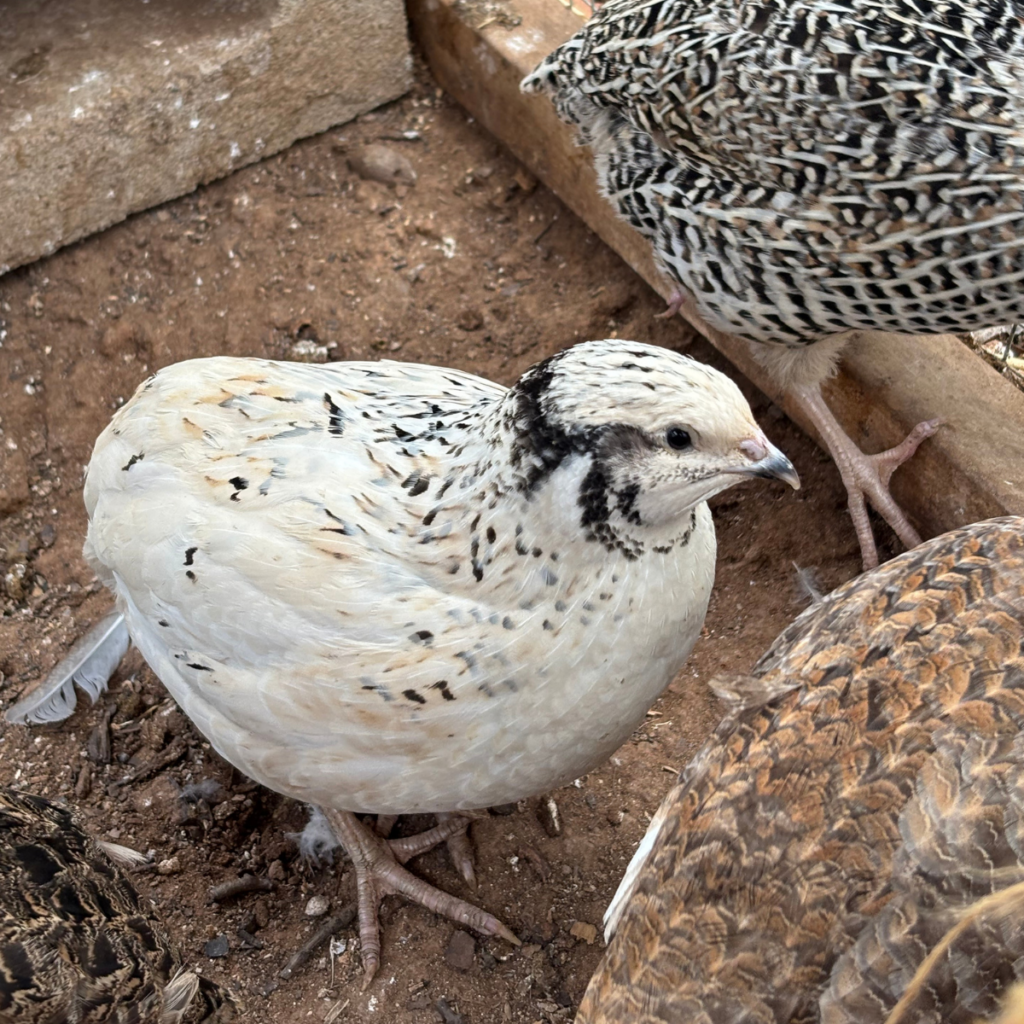
You can buy quail locally – or mail order to incubate…
Like most of my farm animals, Craigslist is my go-to for purchasing quail here in SoCal. (Legal sales of farm animals has always been permitted.) Though there are a few local farming and homesteading groups on Facebook managing to offer animals for “rehoming.” These groups are often threatened to be banned by concerned animal welfare people reporting illegal animal sales. The tides are turning though and as long as they don’t mention a dollar amount, the groups are staying active. Negotiations are kept in private messages. So if you find one of these groups, please read the posting rules carefully.
The breed of quail that is worth while to me is the jumbo Coturnix quail. They are also know as Jumbo Brown, Jumbo Pharaoh or Texas A&M quail. I have a harder time finding these specific breeds locally and have settled with just buying regular Craigslist variety Coturnix quail. I don’t think Button quail are worth the effort, however. Their eggs are just too tiny and the birds too small and delicate to be outdoors in a backyard. Alternatively, you can order fertilized quail eggs in the mail and incubate yourself. This is a great way to get the jumbo size that can actually feed people. I am excited to try this next spring.
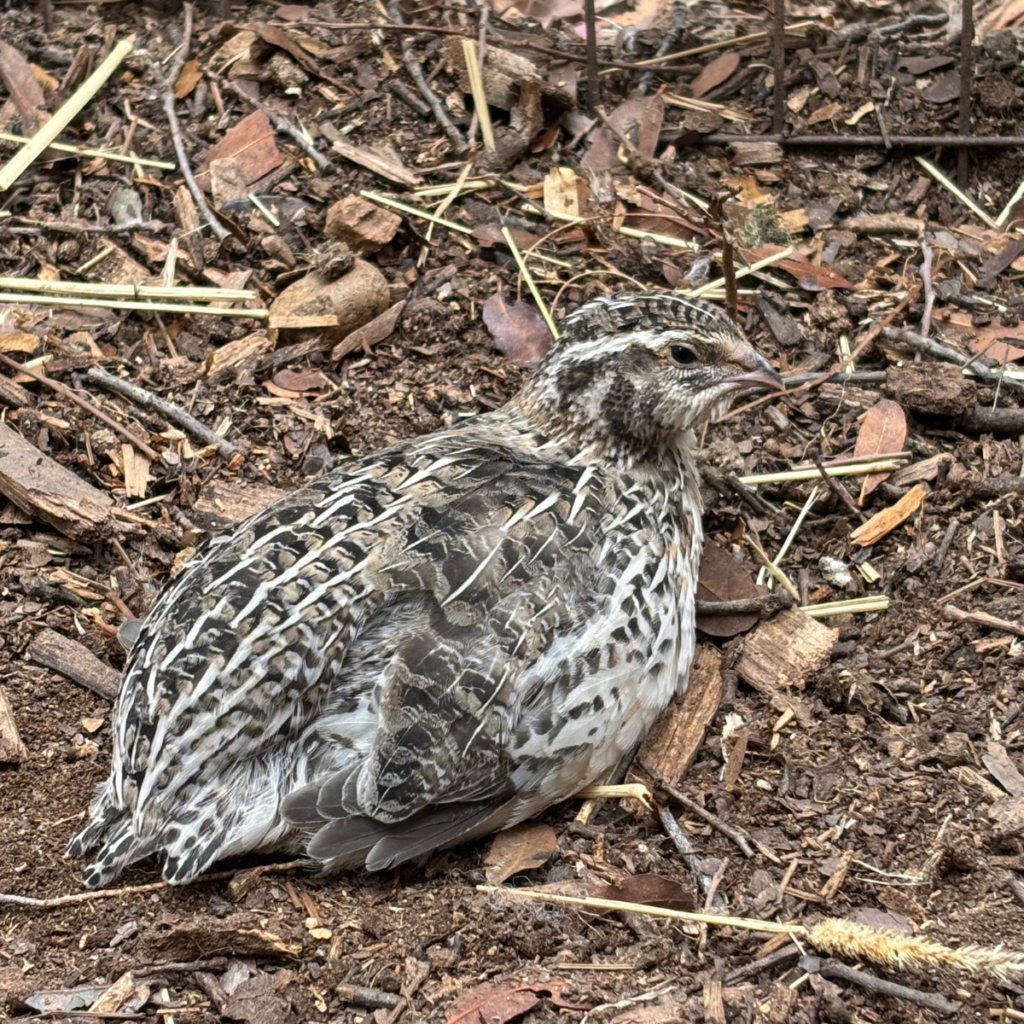
Incubation and brooding can be easy and fun…
This past spring I acquired an incubator and hatched out a few broods of our own quail. It was so fun to watch the hatching process! Seeing their tiny beaks poke out of their shells and burst open into a full blown chick was amazing. Incubators can be pretty expensive but we managed an 85-95% successful hatch rate with this affordable Amazon version. Though I did rely heavily on ChatGPT to walk me through the different humidity requirements for the various stages of hatching. There is nothing cuter on this earth than a tiny, day old baby quail chick.
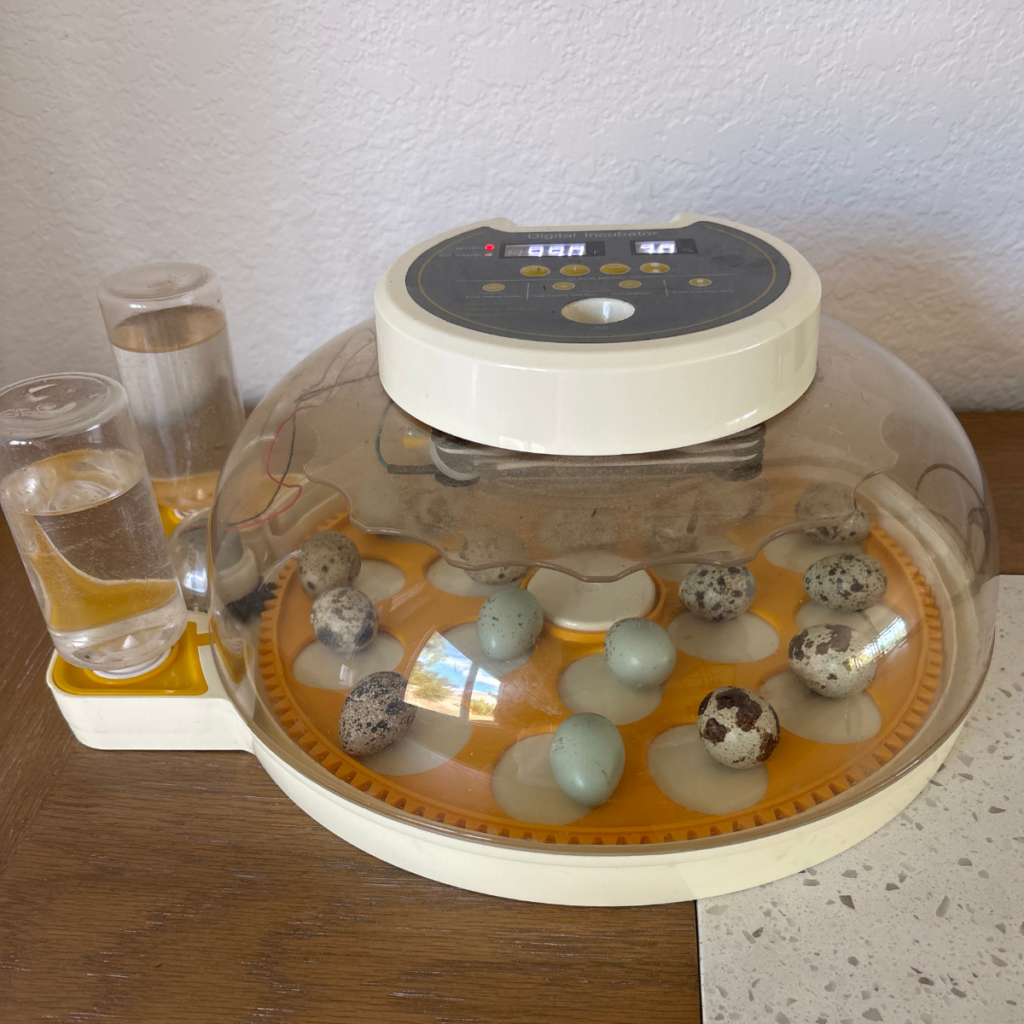
The other nice thing about raising your own quail chicks is how easy the brooding process is. Baby chicks need a brooder which is just a small box or cage with a heater until their feathers come in. I used a two by three foot guinea pig cage for our last brood and it was a great set up. The chicks grow so incredibly fast you hardly blink and they are fully feathered. We used this affordable brooder (warming) plate that worked much better than a heat lamp. If you have a summer hatch just watch carefully that they don’t get too much heat and have plenty of room to move away from the brooder plate if they need. I use the pelletized bedding from Tractor Supply for their substrate and had no issues with odor or litter management.
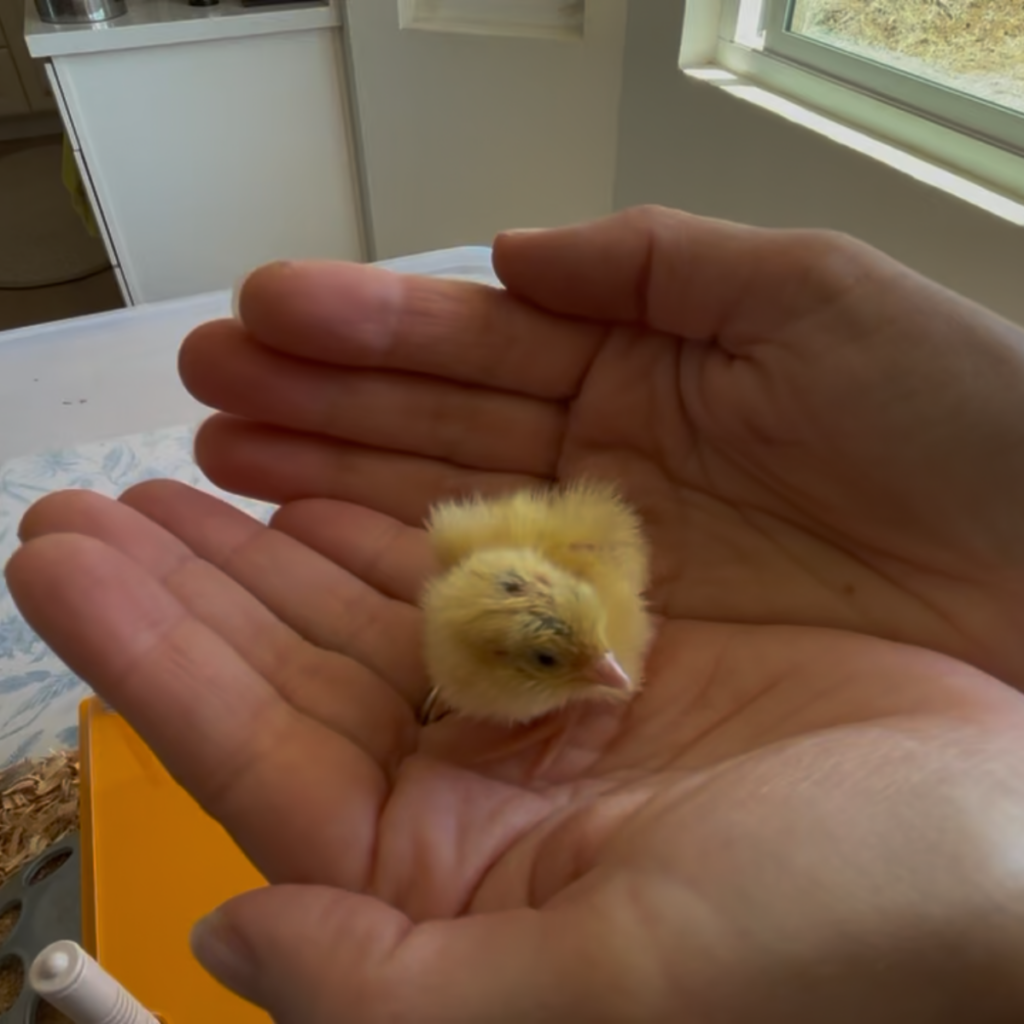
I raise my quail naturally, on the ground…
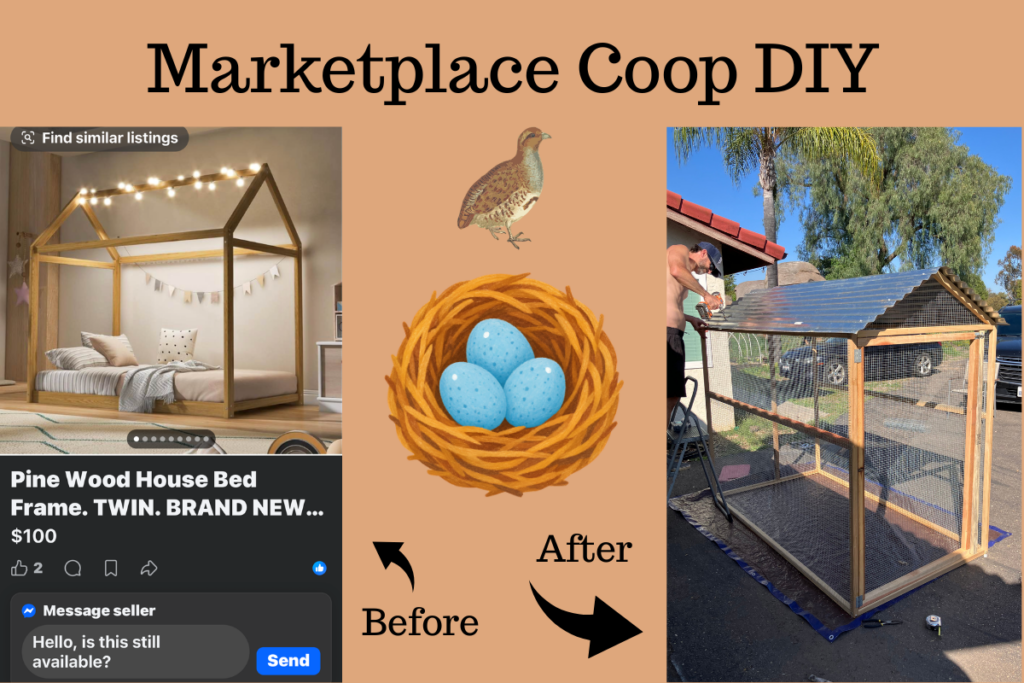
There are two camps when it comes to quail housing – in cages above the ground, or in a natural on ground habitat. It’s no surprise that I choose to raise my quail as naturally as possible, on the ground, with lots of room to roam and hide. Quail are so small that they don’t need a lot of room, about one square foot per quail. I converted a twin canopy toddler bed frame into a nice sized quail coop. It’s honestly the one animal we raise that I don’t feel bad keeping them in an enclosure – as long as it’s a good size. Sadly, many people keep loads of quail in tiny shoebox sized metal cages with no places to hide or any type of enrichment.
So for the toddler bed enclosure it was 6 feet long by 3 feet wide. That is about 18 square feet of space though the feeder and waterers and hides take up some of that. For this particular set up I found that about a dozen birds worked best. You can either do all hens or one rooster for every four hens. I like to max out at two roosters per dozen birds. I just don’t like the fighting that happens when there are too many roosters, though it is a nice perk to have the fertilized eggs if you decide to hatch out more. For my family of five, I like to collect at least a dozen eggs a day for it all to be worth the effort. By the end of the week there is enough to hard boil a good sized batch all at once.
Protect them from predators…
Everything wants to eat a fat little docile quail. I have seen hawks perching on top of our quail coop studying their every move, trying to figure out how to get in and eat them. Snakes are also a problem as well as rats and raccoons. So basically their entire enclosure needs to be hardware cloth and as predator proof as possible – except if you have other protection. We have three barn cats that wiped out large rat colonies that were here when we first got our property. I also have dogs that roam the backyard where we house the rabbits and quail and they keep the raccoons at bay. I recently upgraded our quail’s enclosure to a whopping 64 square foot poultry pen. This pen is made for larger poultry so I did run some chicken wire along the bottom to keep them from slipping out the welded wire openings. It is putting my dogs and cats to the test to see if they can keep them safe but I think we are all up for the challenge.
Game bird feed is hard to come by…
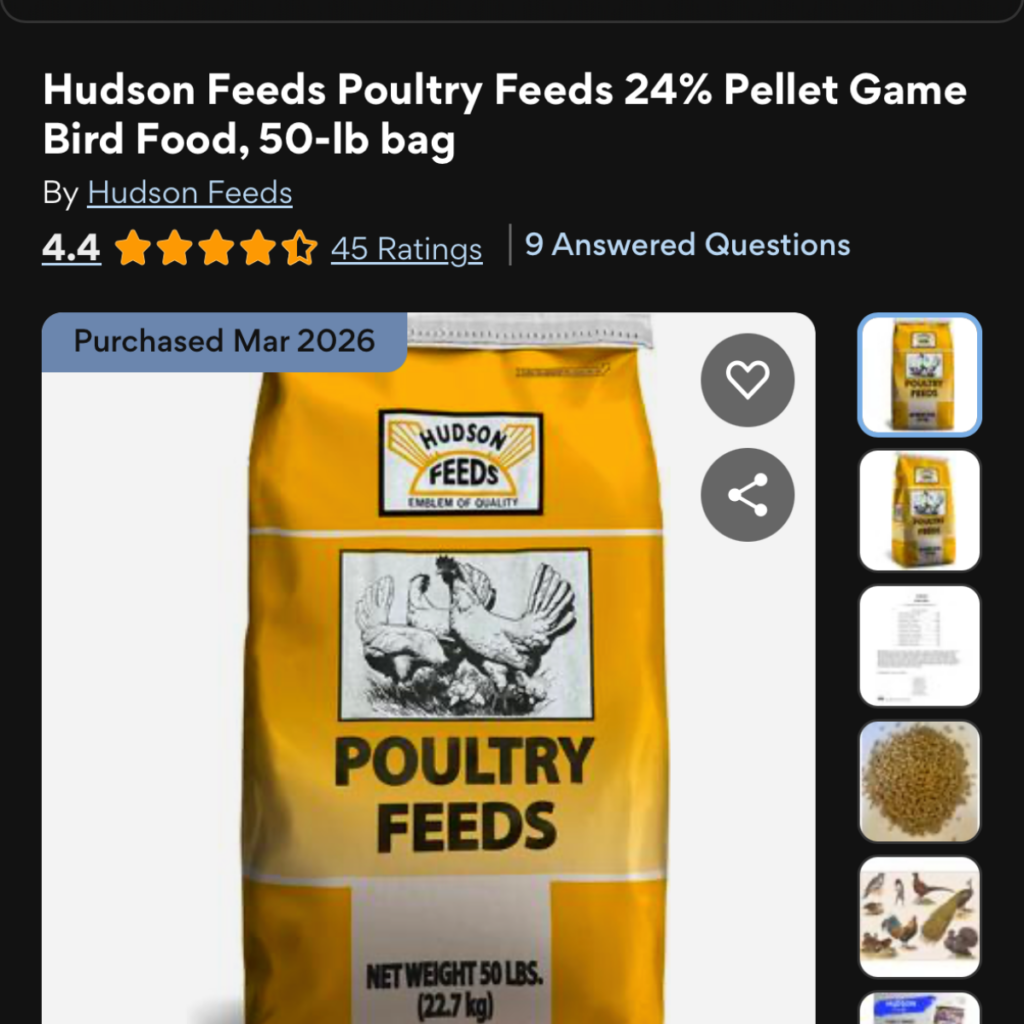
Feeding your quail can be tricky. There is currently only one true feed store within 30 miles of me that does stock the correct feed for either quail chicks, developing quail or laying quail. Each of the different stages of development of quail requires a different amount of protein and calcium requirements. My Tractor Supply does not carry adult laying quail feed. They do carry a chick starter that works ok – it’s also used for turkey chicks. Recently, I have been ordering my laying quail feed form Chewy with pretty good results. Until they discontinue it, I am going to keep ordering from them. If you want to try and find organic game bird feed, good luck. It doesn’t exist, unless you make your own. For me I generally do organic whenever possible but it’s not really possible with quail so I try not to worry about it. Their eggs are more nutritious and less allergenic than chicken eggs anyways.
I have found the absolute best feeders and waterers…
Like chickens, quail can waste a lot of feed. Since quail feed is kind of hard to come by you want to make sure you use a “no waste feeder.” I absolutely love the Double-Tuf® Poultry Feeder with Legs and use them for my chickens as well as my quail. I recently starting using these water cups that you can attach to any type of bucket or container. I highly recommend investing the time in these little gravity fed cups and attaching them to a food grade bucket. A five gallon bucket is going to be overkill for quail but three gallons is great and only needs to be filled once every other week or so.
Spoil them with fresh herbs and mealworms…
If you want to keep your quail healthy and happy they need two things – clean substrate and fresh herbs. Fresh oregano and rosemary and basil will keep them parasite free and they love greens. I like to offer a small dish of chicken chick grit to help with digestion. A splash of apple cider vinegar in their water will keep it from growing bacteria and algae. Lastly, the pelletized bedding made for horses from Tractor Supply is your most important quail keeping supply. Since quail are such prolific layers they also eat a ton and poop even more. They poop more than any animal on our entire mini farm. The pine pellet bedding is made to absorb horse urine and manure and so will keep your little quail fresh and dry just the same.
If you are having trouble finding game bird feed, here is a hack I learned from a friend. You can go ahead and buy chicken layer feed (organic even) and just supplement with mealworms. Quail chicks need 28% protein and laying hens need 22-24% protein. Most layer chicken feeds are 16% protein so you can just supplement to make up the remaining protein requirements. My friend even went the extra mile and soaked and fermented her expensive organic chicken feed. She is an amazing woman. If you do this your quail will likely live forever and give you copious amounts of eggs. For now, I just hatch out new chicks each spring to ensure we have good egg yields.